
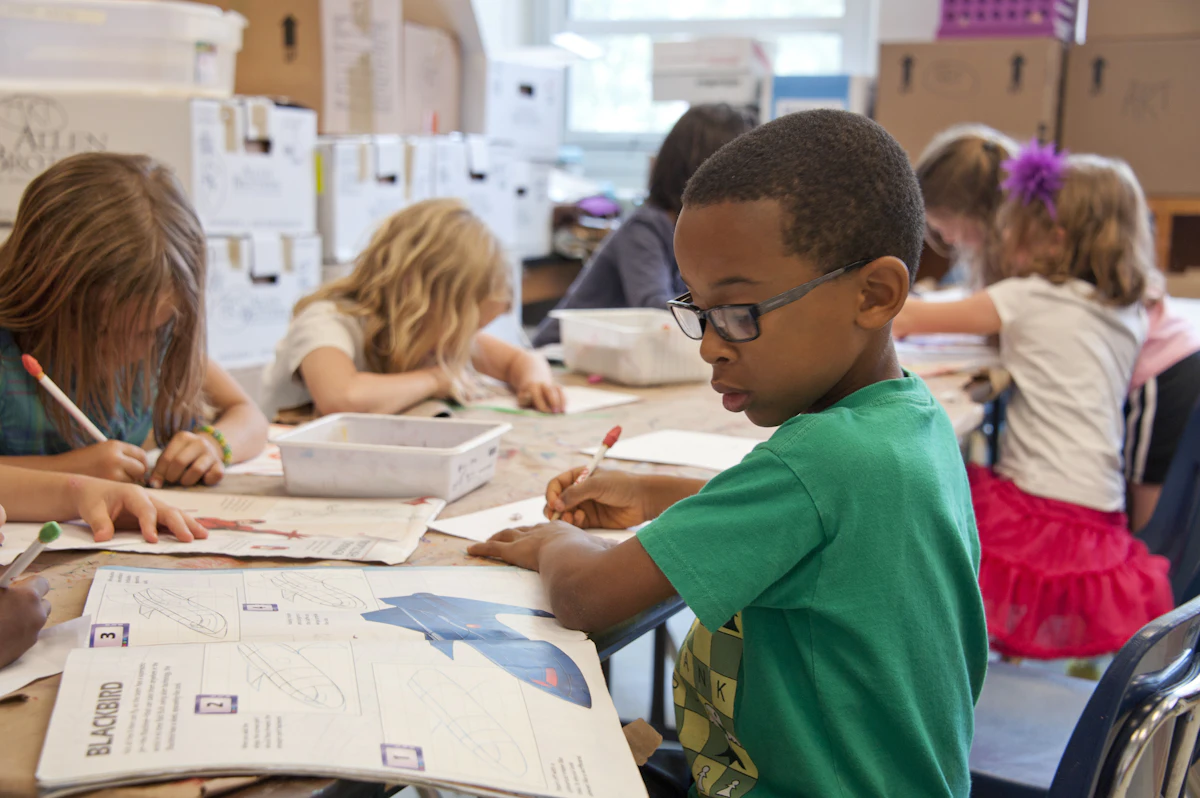
Virtual tutors powered by conversational AI are moving from pilot programs to everyday classrooms. Districts that adopted the tools this year report students asking more questions, revisiting difficult material voluntarily, and arriving better prepared for live instruction.
Why tutors work where lectures stall
The advantage is patience at scale: a virtual tutor explains the same concept ten different ways without fatigue, adapts to each student's pace, and flags misconceptions to teachers before they harden. Early studies link regular use to measurable gains in mathematics and reading comprehension.
The new role of the teacher
Educators say the technology shifts their work from delivery to coaching. With routine explanation handled by software, class time is moving toward discussion, projects and targeted help for the students who need it most.
Questions schools are still answering
Data privacy, unequal home access and over-reliance remain live concerns. Leading districts now require human review of tutor recommendations and publish transparency reports on how student data is stored and used.
Key takeaways
- AI tutors provide patient, adaptive one-to-one support at classroom scale.
- Teachers are shifting toward coaching, projects and targeted help.
- Privacy rules and equity of access are the sector's biggest open issues.

Ryan Mitchell
Tech Desk writer covering AI, education technology and the future of work.


